



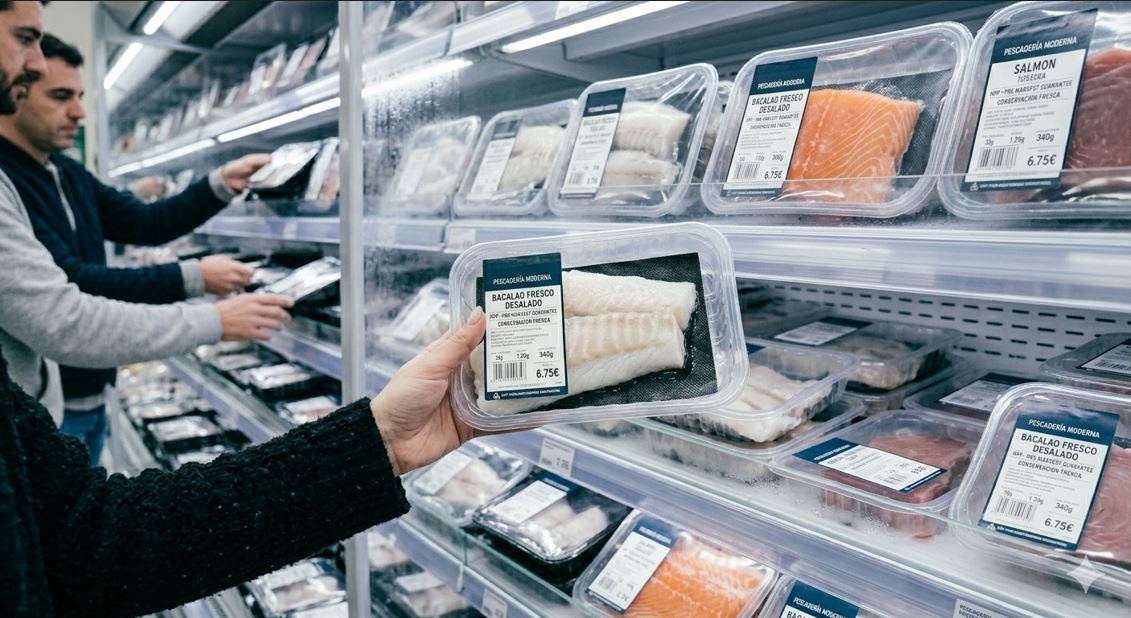
Fresh seafood has always had a shelf-life problem, and it’s the blunt reality behind why so many retailers still hesitate to go all-in on self-service fish counters. HPP (High Pressure Processing) changes that equation entirely: it eliminates pathogens, adds weeks of refrigerated shelf life, and leaves the product tasting exactly as it should. Fresh, preservative-free, and processed without any heat. The modern seafood case has the technology it needs to finally work at scale.
Walk into a forward-thinking grocery store today and the seafood section looks different than it did five years ago. The staffed counter (where you waited, pointed, and hoped for the best) is sharing space with something more practical: a refrigerated self-service case stocked with trimmed portions, cooked cephalopods, ready-to-eat bivalves, and vacuum-packed shrimp tails. Products you can grab, cook, and eat without needing a fishmonger to walk you through it.
Consumer habits have shifted toward protein that fits into a realistic schedule, with ready-to-cook and ready-to-eat formats that don’t require culinary expertise or a trip to a specialty market. The seafood industry is responding, but the operational hurdles are real.
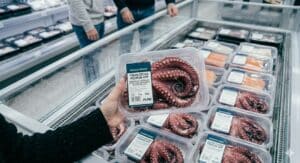
The core problem is shelf life. Fresh fish in traditional packaging spoils fast, generating waste, markdowns, and squeezed margins — exactly the kind of friction that makes retailers cautious about expanding self-service seafood. Add in the food safety complexity of multi-ingredient prepared products and the challenge compounds quickly.
HPP addresses both issues at once.
HPP: Food Safety, Freshness and Shelf-life
High Pressure Processing works simply: packaged products are loaded into the HPP machine and subjected to ultra-high water pressure, typically held for 3 to 5 minutes. That pressure inactivates pathogens (E. coli, Listeria, Vibrio, Anisakis, and others) along with the spoilage organisms that shorten shelf life. Because it happens after packaging, there’s no opportunity for recontamination. Because it uses cold water instead of heat, the product’s texture, flavor, and nutritional profile are left completely intact.
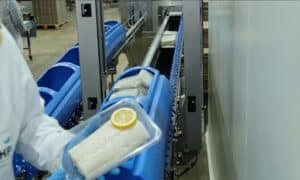
The result is a product that is 100% safe, preservative-free, and shelf-stable for weeks — not days. For the modern seafood case, that’s the difference between a viable category and one that’s constantly fighting shrink.
Packaging requirements are straightforward: materials need to be water-resistant and flexible to withstand pressure. Vacuum packaging works best, with thermoformed packs and skin trays being the most practical formats for retail display.
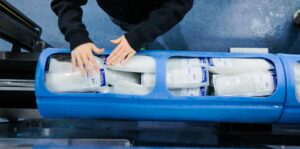
Key HPP Product Categories in the Modern Seafood Case
HPP is already being used across a wide range of products: raw and cooked cephalopods, cod and other white fish, jumbo shrimp tails. The companies doing it well have moved well past the pilot stage and built HPP into the core of their commercial strategy.
Profand
In Spain, Profand is the clearest example of what commitment to this category looks like at scale. Working in partnership with Mercadona, the country’s largest retailer, the group generates 45–50% of its total sales from modern seafood products (Source: Alimarket). Multiple HPP units are installed across their Spanish production facilities. Cooked octopus, raw squid, and a broad range of value-added preparations sit at the center of their lineup.
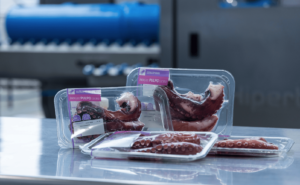
Delpierre
In France, Delpierre has built its modern seafood position around HPP across a diverse portfolio: cod, sea bass, mackerel, sardines, and shrimp. It’s a reference point for what a broad, HPP-powered seafood range looks like in a major European retail market.
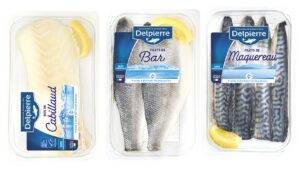
Additional High-Value-Added HPP Seafood Products
Ready-to-eat Meals
For prepared meal producers, HPP solves a specific and persistent problem: thermal pasteurization overcooks fish. The proteins tighten, the texture suffers, and the meal arriving at the consumer’s table is a lesser version of what was intended. HPP pasteurizes without heat, so a freshly cooked seafood dish retains its characteristics in addition to being safe to consume.
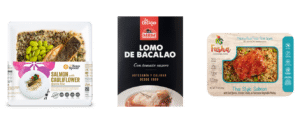
Crustacean and Bivalve Shucked Solutions
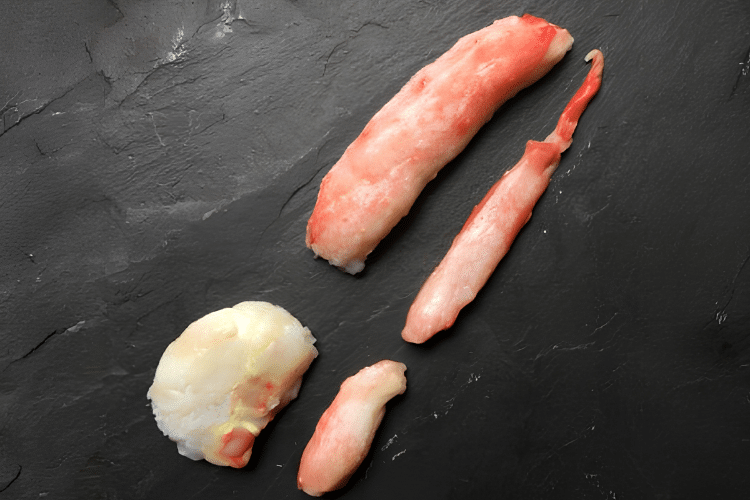
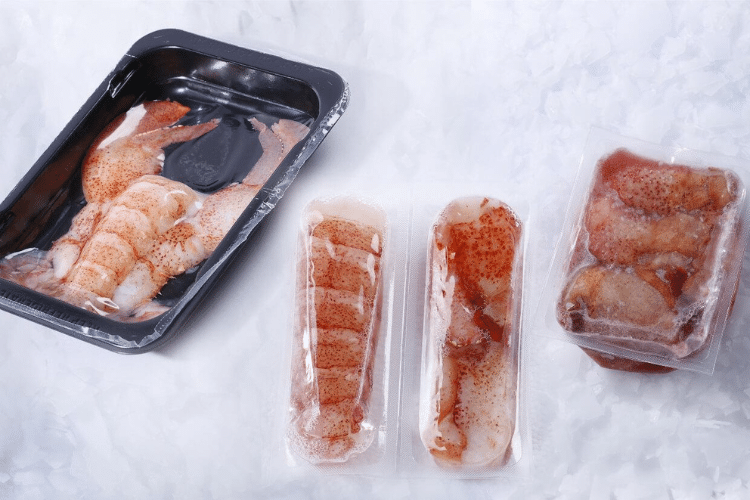
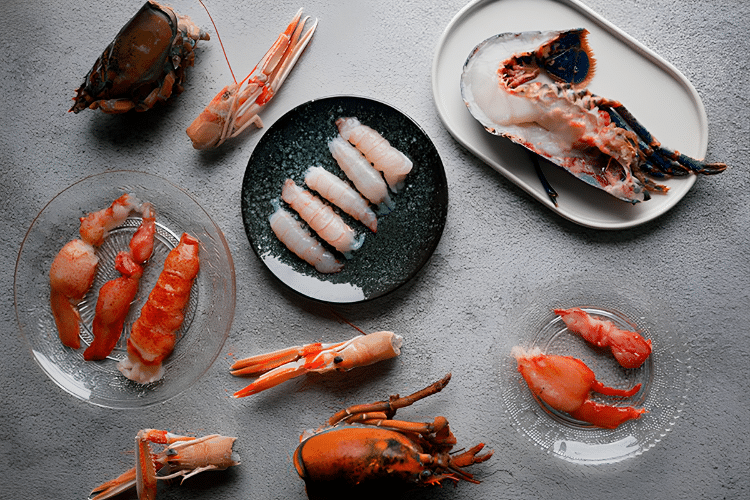
This is where HPP does something no other technology can replicate at scale. High pressure acts directly on the adductor muscle, opening bivalves and enabling complete crustacean meat extraction: 100% yield, no heat, no manual shucking at scale. The meat stays raw, intact, and visually pristine. Pathogens like Vibrio and Norovirus are eliminated, and the natural juiciness and flavor of the raw product are fully preserved.
Brands already operating in this space include Greenhead Lobster (USA), 5DO (France), Blaqus (Spain), and East Coast Seafood (USA).
Cooked Crab Meat
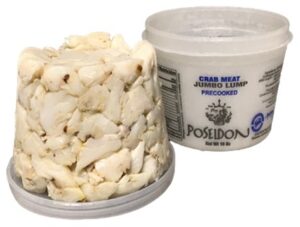
A retail and foodservice staple in the U.S., cooked crab meat benefits directly from what HPP offers: a clean label with no preservatives and a refrigerated shelf life of approximately 30 days. Seafarers is the standout name in this category.
Seafood-Based Wet Salads
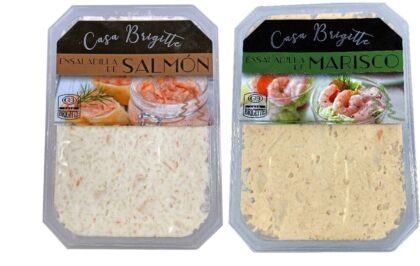
Multi-ingredient products with heavy handling are a food safety challenge by design. HPP treats the product inside its final packaging, eliminating recontamination risk entirely and pushing shelf life beyond 40 days, without touching the fresh flavor or texture of any individual ingredient.