


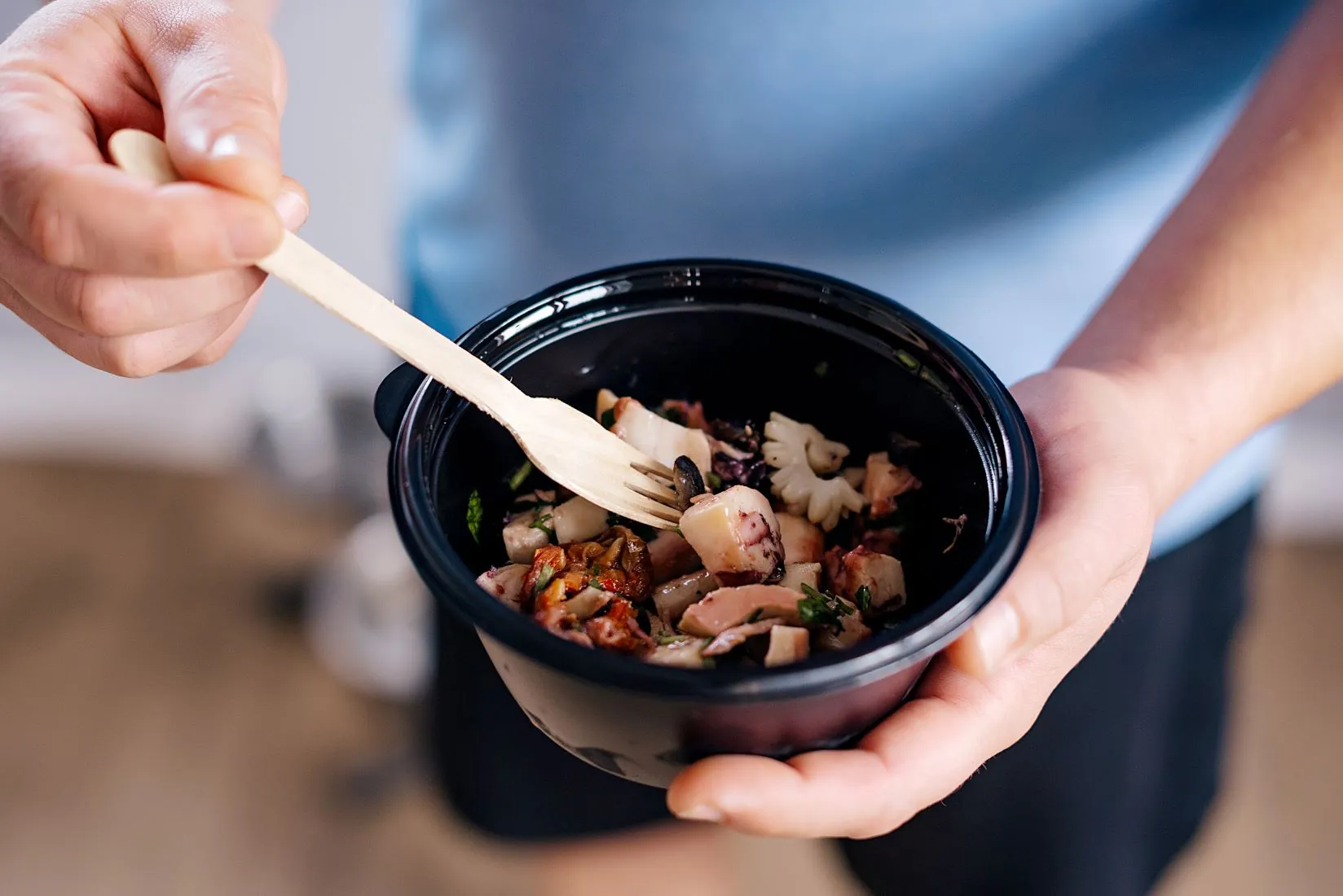
These days and ages consumers expect more from ready-to-eat (RTE) meals. High pressure processing (HPP), as a non-thermal technology, allows companies to meet these consumer expectations without compromise. This technology offers freshness, safety, clean labels, and extended shelf-life with a minimum processing as a single solution. Let’s take a look at some scientific case studies to illustrate the effectiveness of this technology. But also, some different brands that have already adopted this technology offer their specialties to comply with different competitive markets all over the world.
In today’s market, consumers have significantly higher expectations for ready-to-eat (RTE) meals. Busy lifestyles drive demand for convenience, but consumers still want clean labels and minimally processed foods. If producers want to offer them meals that taste freshly made, last longer, and meet strict food safety standards, High Pressure Processing (HPP) is the right solution. HPP technology has become a key technology for brands aiming to deliver premium convenience foods without additives or heavy processing. And, with HPP you can compete not only for convenience, but also for sensory and nutritional quality, while protecting your brand and scaling efficiently.
What Are HPP Ready Meals?
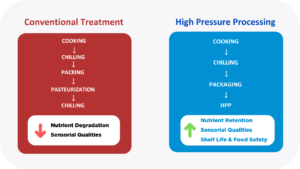
HPP ready meals are fully prepared dishes preserved using extremely high pressure instead of heat. This process inactivates harmful microorganisms while maintaining the food’s original characteristics. Unlike thermal pasteurization, HPP does not alter flavor, texture, or nutritional value. Meals keep their fresh taste, vibrant colors, and appealing texture, even after extended refrigeration storage. This makes HPP ideal for chilled ready meals such as pasta dishes, rice bowls, soups, sauces, and complete meals with proteins and vegetables. With HPP it is possible to deliver a product that feels freshly cooked, even days or weeks after production.
Key Benefits of HPP for Ready Meals
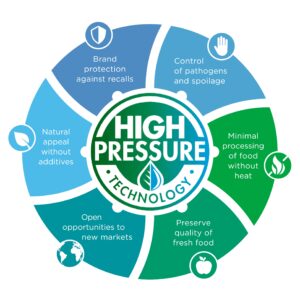
- One of the main advantages of HPP is food safety. High pressure effectively eliminates harmful microorganisms such as Listeria, Salmonella, and coli, helping producers meet strict regulatory requirements. At the same time, it reduces the risk of costly recalls and brand damage.
- Shelf-life extension is another critical benefit. HPP ready meals can last week’s longer under refrigeration, reducing food waste and improving distribution efficiency.
- Clean labels are no longer a trend; it’s an expectation. Shoppers read ingredient lists carefully and prefer products with recognizable components. HPP supports clean-label formulations by eliminating the need for chemical preservatives.
- HPP also preserves sensory quality. Color, taste, and texture remain intact, allowing producers to deliver a premium eating experience that stands out in a crowded market.
To illustrate these statements, let’s see the science behind them:
One study on vegetable RTE meals found that HPP at 600 MPa for 5 minutes reduced initial microbial loads and maintained both safety and quality during refrigerated storage. The treatment did not negatively impact physico-chemical or sensory properties and even increased antioxidant activity in some cases (Masegosa et al., 2013).
In another rigorous study on ready meals like lasagne, HPP at 500-600 MPa for 1 minute significantly reduced Listeria monocytogenes and Staphylococcus aureus (two pathogenic microorganisms of concern), increasing the microbiological shelf-life of the product under refrigeration. Importantly, organoleptic properties (taste, texture, appearance) were preserved post-processing (Stratakos et al., 2015).
Research on RTE meats treated at 600 MPa for 3 minutes showed dramatic pathogen reductions (>4 log CFU/g) against Listeria and extended refrigerated shelf-life over 90 days, with negligible impact on sensory quality (Hayman et al., 2004).
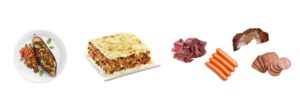
These studies collectively show that HPP confers dual benefits of significant pathogen inactivation (enhanced safety) and extensive shelf-life extension under refrigeration without quality degradation. This is especially relevant for chilled ready meals, where safety and freshness are key purchasing criteria.
Hiperbaric Customers Leading the Market
Many leading food brands already rely on Hiperbaric technology to produce HPP ready meals. Companies from all over the world use HPP to scale production while preserving chef-inspired quality:
- The Soup Spoon (Singapore) — Soups, broths and meals with extended chilled shelf-life.
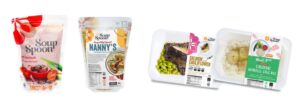
- Fusha and Ventolini — ready meals from the Americas that combine convenience with premium fresh quality.
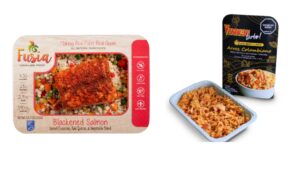
- European brands like Golfera, and MRM, leveraging HPP for traditional recipes with scientific assurance of safety.
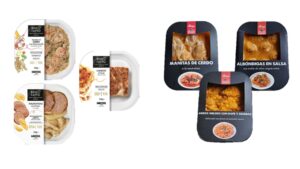
These companies use HPP to extend shelf-life without compromising authenticity. Working with a trusted technology ensures process validation, regulatory compliance, and scalable throughput. Visit the Hiperbaric Global Community to explore real client success stories and application tips.