



The Growth of HPP Technology and Tolling Services in the U.S.
High Pressure Processing (HPP) has shifted from a specialized food technology to a mainstream solution powering some of the fastest-growing clean-label categories in the United States. Fresh juices, dips and guacamole, ready-to-eat meats, wet salads, seafood, prepared meals, and pet food have all embraced HPP to meet consumer expectations for freshness, safety, and transparency.
Why HPP Is Gaining Momentum
HPP uses extremely high pressure—up to 6,000 bar—transmitted through cold water to inactivate pathogens and spoilage organisms. Because no heat is used, foods retain their color, texture, flavor, and nutritional value while gaining dramatically extended shelf life. This combination of safety and freshness aligns perfectly with rising demand for clean-label and minimally processed products.
Retailers, regulatory bodies, and consumers are increasingly focused on food safety and transparency. As a result, HPP has become a go-to solution for brands looking to eliminate preservatives without compromising shelf stability.

The Evolution of HPP Tolling in the United States
The HPP tolling model in the U.S. has evolved significantly over the past two decades. What began as a handful of pioneering facilities in the early 2000s has transformed into a comprehensive network spanning the country. Early adopters primarily served the juice industry, but as consumer preferences shifted toward clean-label products across multiple categories, tolling providers expanded their capabilities and geographic reach.
The current surge in tolling investment reflects a fundamental shift in how food manufacturers approach production. Rather than viewing HPP equipment as a capital expenditure, companies now recognize tolling as a strategic advantage—one that provides immediate market access, reduces financial risk, and offers operational flexibility in an increasingly dynamic retail environment.
Today’s relevance is driven by several converging factors: heightened food safety regulations following high-profile recalls, accelerated consumer demand for preservative-free products, the rise of e-commerce requiring extended shelf life, and a new generation of food entrepreneurs launching innovative brands without legacy infrastructure. The tolling model has become essential infrastructure for modern food manufacturing, much like cold storage and co-packing services.
The Role of HPP Tolling: Making HPP Accessible
While HPP offers clear advantages, the equipment itself represents a significant capital investment. To overcome this barrier, many companies, especially small and mid-sized manufacturers, are turning to HPP tolling.
Tolling providers own the equipment and offer HPP services on a per-pound or per-batch basis. This model allows companies to enter the HPP market without buying equipment, taking on debt, or redesigning facilities. It also gives them the flexibility to scale gradually and cost-effectively.
For larger brands, tolling is equally important. Many use tollers for seasonal products, regional distribution needs, or additional capacity during peak demand. Tolling centers also support new product development, allowing companies to test products and assess commercialization success.

Hiperbaric’s HPP Global Tolling Network
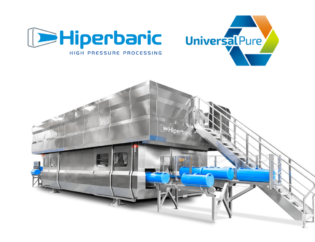
Hiperbaric supports one of the largest tolling ecosystems in the world, with more than 70 tollers across five continents. These facilities typically operate high-capacity HPP systems, most commonly the 420-liter and 525-liter models, which provide some of the lowest HPP operating costs available. The Hiperbaric 420 can process up to 6,500 pounds per hour, while the Hiperbaric 525 reaches throughputs of up to 8,000 pounds per hour, making them ideal for tolling centers that must support multiple brands, high-volume production runs, and rapid turnaround times.
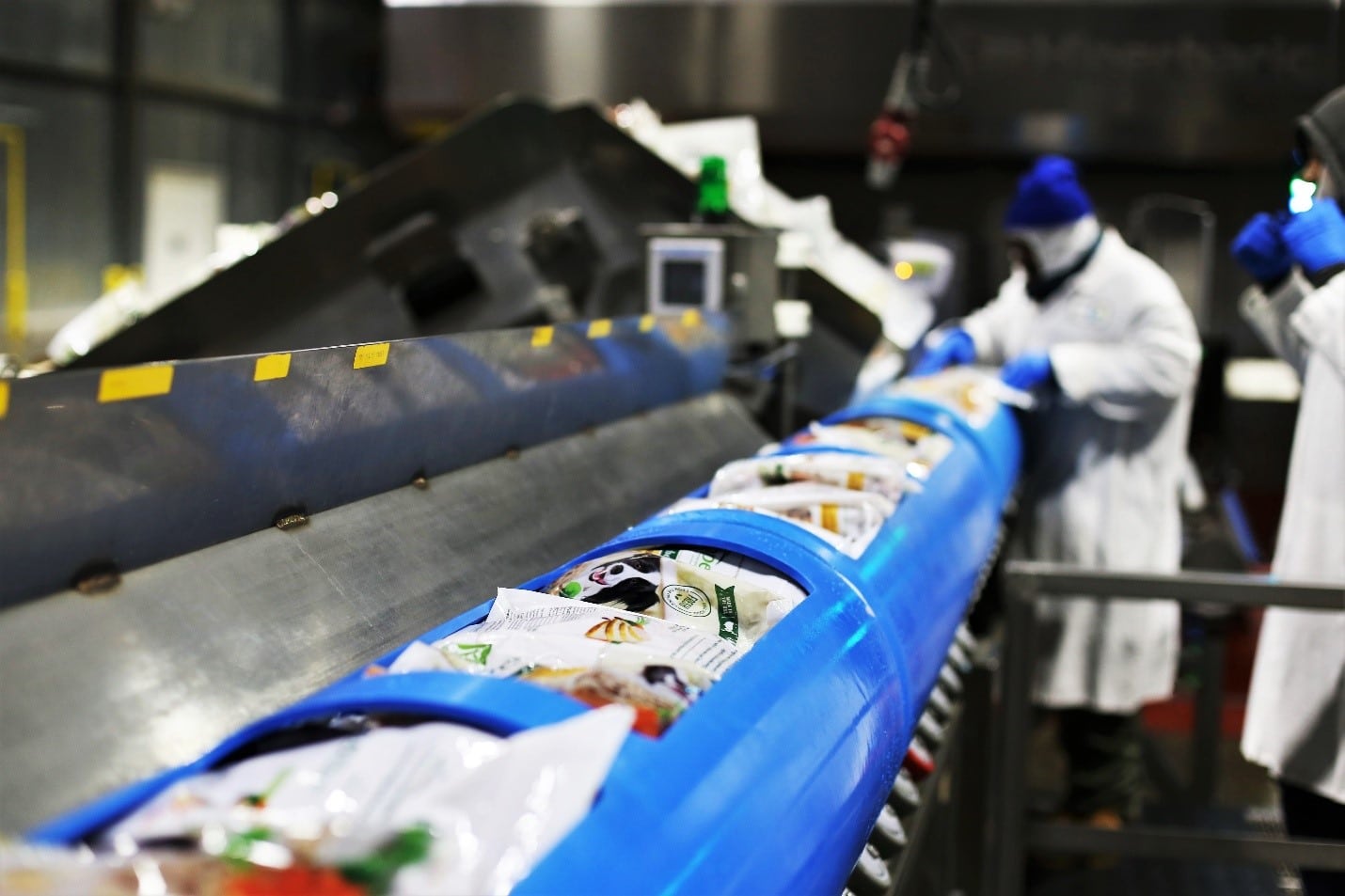
In addition to high-capacity HPP, many tollers offer co-manufacturing, cold storage, packaging, labeling, date coding, blast freezing, and distribution. This “one-stop shop” approach helps brands streamline operations and reduce logistics costs while accessing industry-leading HPP technology without the capital investment.
In the U.S., Hiperbaric’s tolling partners are strategically positioned near major food-processing and distribution hubs, giving brands access to localized HPP services no matter where they manufacture.

Major U.S. Expansions Driving HPP Growth
The U.S. market is experiencing one of its strongest periods of HPP tolling investment. Several new machines and facilities are expanding access from coast to coast.
Recent Tolling Expansions
- Universal Pure (Malvern, PA) has added a Hiperbaric 525, strengthening East Coast capacity.
- Youngstown Distributors (Reedley, CA) has expanded its cold-pressed, purees and smoothies co-manufacturing footprint with a Hiperbaric 525 to serve the West Coast.
- Green Plant (Miami, FL) is installing a Hiperbaric 420, further solidifying its position as a major beverage co-manufacturer and toller for southeastern brands.
- American Pasteurization Company (Milwaukee, WI) has added a Hiperbaric 525, expanding HPP access throughout the Midwest corridor.
- HPP Los Angeles (Los Angeles, CA) is installing a Hiperbaric 525 in a new facility, serving one of the nation’s largest fresh-food regions.
New Tolling Providers Entering the Market
- HPP Chicago (Bartlett, IL) installed a Hiperbaric 420 to serve the Greater Chicago food manufacturing region.
- Sunrise Logistics (Ephrata, PA) is integrating a Hiperbaric 525 into its advanced cold-chain hub, offering a complete HPP + logistics ecosystem.
- Bevara HPP (North Wilkesboro, NC) is installing a Hiperbaric 300, becoming the first dedicated toller in the Carolinas and filling a critical regional gap in the Southeast.
Together, these additions reflect the strongest period of tolling growth in U.S. HPP history.

Why Hiperbaric Tolling Partners Deliver Competitive Advantages
Choosing the right tolling partner means more than equipment access—it’s about partnering with a network that ensures quality, efficiency, and long-term success.
Industry-Leading Equipment Performance
Hiperbaric HPP equipment delivers the most reliable and lowest cost-per-pound and cycle processing rates in the industry, benefiting brands through competitive pricing and faster turnaround times.
Support from Hiperbaric Experts
What truly differentiates Hiperbaric tolling partners is comprehensive support behind every machine:
- 24/7 Global Service Support minimizing downtime and protecting production schedules
- Food Science Expertise for product-specific guidance on HPP recipes, product validation, and formulation optimization
- Regulatory and Compliance Assistance navigating FDA, USDA requirements, HACCP plans, and pathogen validation
- Training and Knowledge Transfer ensuring tolling staff understand best practices across diverse product types
This support infrastructure makes the difference between successful launches and costly delays for emerging brands, while ensuring operational continuity and quality consistency for established manufacturers across multiple production sites.
Why More Brands Are Choosing Tollers
HPP tolling continues to gain traction because it offers manufacturers a powerful combination of flexibility, safety, and scalability. Companies can bring products to market quickly, validate consumer demand, and expand production without the financial and operational challenges of installing equipment.
For entrepreneurs and emerging brands, tolling eliminates the biggest barrier to entry. For established processors, it ensures geographic reach and additional capacity without capital investment. And for every company, tolling providers bring the benefit of Hiperbaric’s food-science support, technical expertise, and industry-leading equipment reliability.
Explore the Hiperbaric Tolling Network
To find tolling partners by region, explore Hiperbaric’s interactive customer map and filter by “HPP Tolling” in “Customer Type.” The growing network ensures that high-pressure processing is accessible, efficient, and strategically located for food and beverage brands across the United States, and beyond.
Explore Customer Map: Hiperbaric HPP Customer Map